

Christian Hope
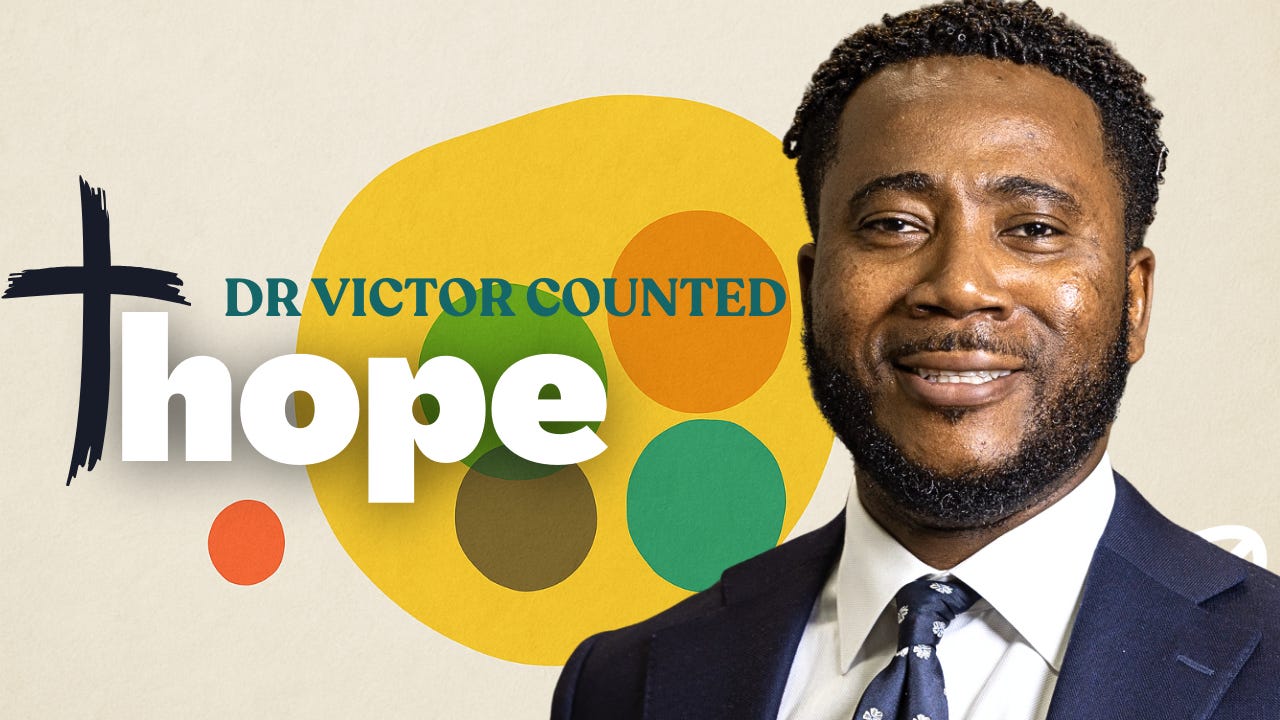
Christian hope does not arise from the self. It is a way of life that begins with God. Scripture presents hope as a response to relationship rather than a product of effort or resolve. The psalmist speaks to his own soul and commands it to return to God. “Put your hope in God” (Psalm 42:11). The direction of our hope does indeed matter. In what/who do we put our hope in? Hope does not emerge because life improves. It emerges because the self turns again toward the One who holds it.
This state shapes the biblical imagination of hope. Hope grows when the believer re-connects to God as the object of their hope. The psalmist does not deny despair. He names it. Yet he refuses to let despair define the future. He anchors his life in his bond with God. Hope forms through reorientation and secure connection.
This pattern fits a relational account of hope. Hope develops when a person remains securely connected to someone who or something that offers a future security. For Christians, God fulfills this role as our divine object of attachment. God does not function as an abstract promise or distant outcome. He acted as a present covenant partner who commited to our redemption through the coming of His Son, Jesus Christ. And we have the Holy Spirit who continues with that same work of redemption today as our immediate attachment figure.
Advent invites this reorientation. It compels the believer to notice where hope has drifted. It asks where the heart has fastened its future.
Christ as our object of hope
Scripture consistently locates hope in the character of God. Jeremiah declares, “Blessed is the one who trusts in the Lord, whose confidence is in him” (Jeremiah 17:7). Hope rests on who God is. It does not rest on human strength or foresight. Trust flows from confidence in the secure relationship with God.
Christian theology makes this claim even more concrete in Christ. The New Testament names Christ as “our hope” (1 Timothy 1:1) and “the hope of glory” (Colossians 1:27). Hope does not merely point forward. It tethers the believer to a person—to Christ who embodies God’s promises in visible form. His life, death, and resurrection secure the future that hope anticipates.
Hebrews offers a spatial image to describe this connection. Hope acts as “an anchor for the soul, firm and secure” (Hebrews 6:19). Anchors do not calm the sea but hold a vessel in place. Christian hope works the same way. It stabilizes the self when external conditions shift. The stability comes as a result of the security of spiritual connection and relationship with Jesus.
The Bible portrays hope as something that develops within relationship over time. Paul prays, “May the God of hope fill you with all joy and peace as you trust in him” (Romans 15:13). Hope follows trust. Trust presupposes connection. The believer hopes because God remains reliable.
This process explains why hope persists under strain. Many psalms begin with confusion or fear. They often end with renewed trust. “But I trust in your unfailing love” (Psalm 13:5). Hope reorganizes around relationship when circumstances fail to cooperate. The connection holds even when clarity disappears.
Paul traces the same movement in Romans. Suffering gives rise to perseverance. Perseverance shapes character. Character sustains hope (Romans 5:3–5). The passage concludes with God’s love poured out through the Spirit. Hope remains relational from start to finish. It survives because God remains present.
Suffering and Secure Hope
On the contrary, Christian hope never denies suffering. Jesus models this truth. In Gethsemane, he experiences anguish while remaining oriented toward the Father (Matthew 26:39). On the cross, he cries out in abandonment while still naming God as his own (Matthew 27:46). Relationship stretches. It does not collapse.
This pattern reveals how hope behaves when attachment feels threatened. Lament does not cancel hope. It exposes the depth of the bond. Hope renews when trust reappears, not when pain fades. The resurrection confirms this logic. God restores hope by remaining faithful through suffering, not by bypassing it (1 Peter 1:3).
Scripture also frames hope as shared. The early church devoted itself to teaching, fellowship, and prayer (Acts 2:42). Hope circulates within community. Hebrews urges believers to encourage one another because isolation weakens hope (Hebrews 10:23–25). Shared practices reinforce shared trust.
A relational view of hope accounts for this dynamic within the context of community. Believers draw stability from one another because they share attachment to the same God. The church becomes a space where hope regains strength through worship, testimony, and care.
Hope and the Future God Promises
Christian hope remains oriented toward God’s promised future. Scripture speaks of a renewed creation and restored life (Revelation 21:1). This future does not pull believers away from the present. It steadies them within it. Paul writes, “If we hope for what we do not yet have, we wait for it patiently” (Romans 8:25). Waiting signals trust. Trust reflects relationship.
Within a relational frame, hope regulates faith and love. Paul places hope alongside them as enduring realities (1 Corinthians 13:13). Hope keeps life open toward God’s future because the believer remains attached to the God who promises it.
Christian hope does not depend on optimism or willpower. It depends on relationship. God holds the believer. Hope holds because that bond holds. As long as the relationship endures, hope remains active. And where hope remains active, the possibility of flourishing persists, even amid fracture and uncertainty.
Advent calls the church back to this simple truth, in which hope arrives in Christ. And this is why we celebrate Christmas.
Merry Christmas!