

The Cost of Competence
Light is rarely resented for being false. It is resented for being bright. What do you owe a room that would rather stay dim?

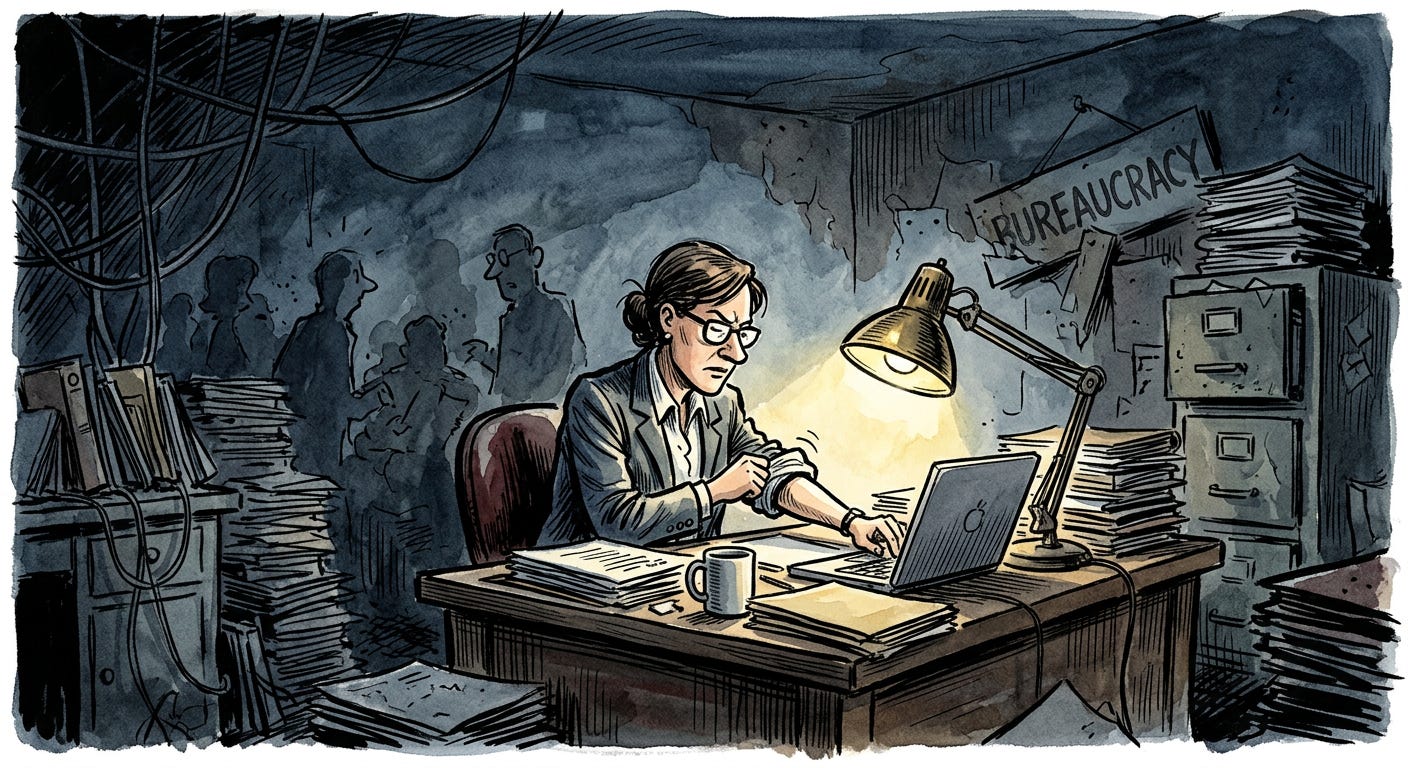
Walk into a dark room and turn on the light, and no one thanks you first. They wince. Hands go up to shield eyes that had made their peace with the gloom. For a moment you are not the person who helped them see but the person who hurt them. This is the strange social physics of competence. We are told it is the thing that earns belonging, the currency that buys a seat at the table. Often it is. But there are rooms where competence does the opposite, where doing the work well exposes how long the work has been done poorly, and where the people most invested in the dark start to experience your light not as a gift; sadly as an accusation.
If you have ever been good at something inside a system that had organized itself around not being good at it, you know this feeling. The careful report that makes everyone else’s look thin. The question in the meeting that reveals no one had actually checked. The standard you quietly hold that, simply by existing, indicts the standard everyone else had silently agreed to lower. You did not set out to shame anyone. You just turned on the light. And the room turned on you.
Why the dim room fights back
It helps to understand what is actually happening, because the temptation is to read the reaction as a verdict on you. It usually is not. A dim system is not neutral. It is a structure that people have come to depend on - either for cover, for comfort, for the relief of never being measured against a standard they could fail to meet. When one person raises the light, that structure starts to crumble, and the people relying on it feel the floor move. What follows is predictable: not argument, but coalition. A clique forms. The goal is not to prove you wrong on the merits, which would require meeting your competence on its own ground. The goal is to make you costly and to attach enough social friction to your presence that the light starts to feel not worth it, to you and to everyone watching.
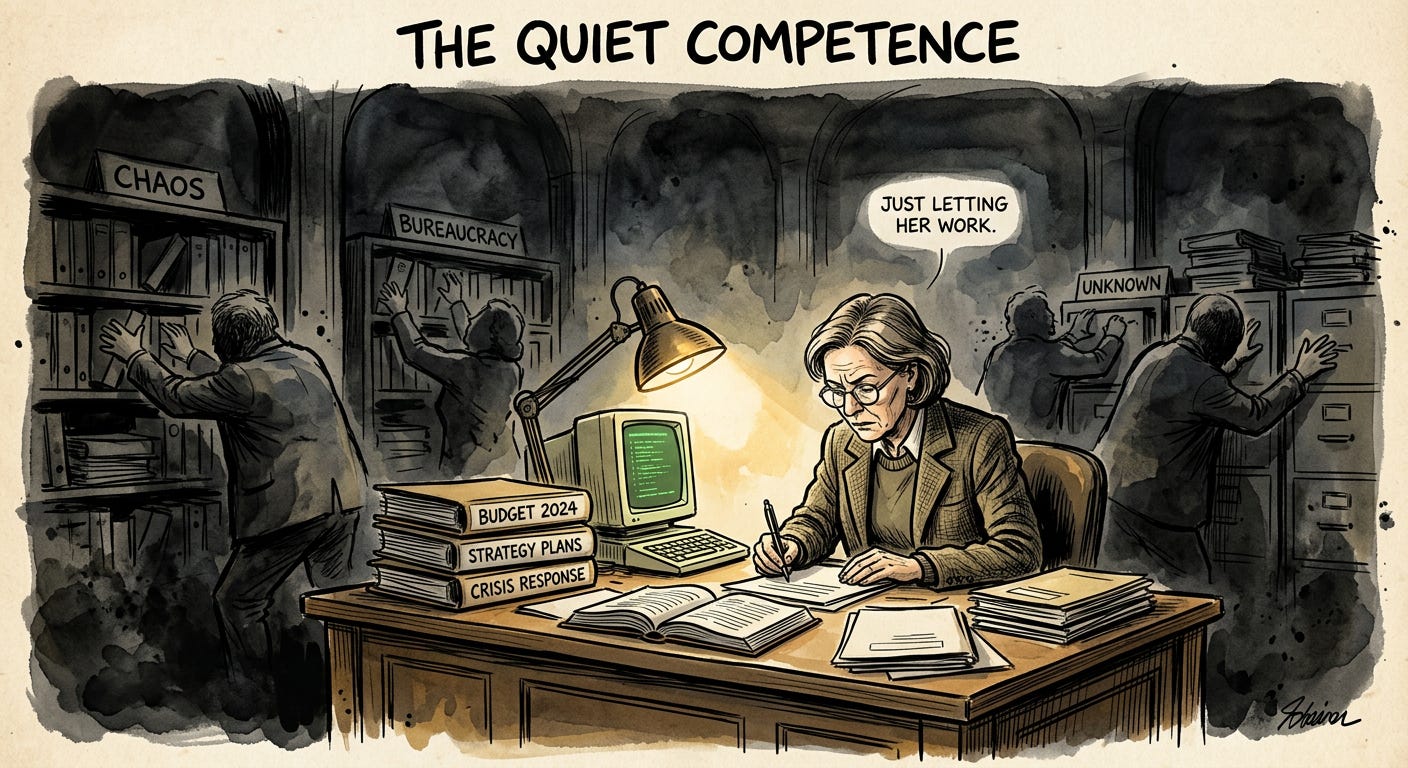
This is worth naming plainly, because the person on the receiving end often spends months wondering what they did wrong. The answer is quite clarifying. Because in a system committed to the dark, you did nothing wrong. You did something bright, and brightness was the offense.
A dim room recoiling from light is behaving exactly as you would expect. It tells you something true about the room, and almost nothing about the light.
That is the vindication, and it is real. But if the article ended there it would be a flattering lie, and flattery does not help anyone. Because the light metaphor contains a second truth that is harder to sit with.
The light that blinds
Light does not only reveal. At full intensity, suddenly, into eyes that have adjusted to the dark, it blinds. The people who flinch are not always defending mediocrity. Sometimes they are simply in pain, and the pain is not imaginary. Competence delivered without attunement — the right answer with a faint contempt riding underneath it, the standard held up like a mirror you are forcing someone to look into — is experienced as a threat even when no harm was intended. And here is the part that requires a bit honesty and that is the fact that often there is something underneath it. It could be a satisfaction at being the most capable person in the room. A relief in the gap between you and them. The clique forms fastest not around competence alone, but around competence that has begun, however subtly, to hold the incompetent in contempt.
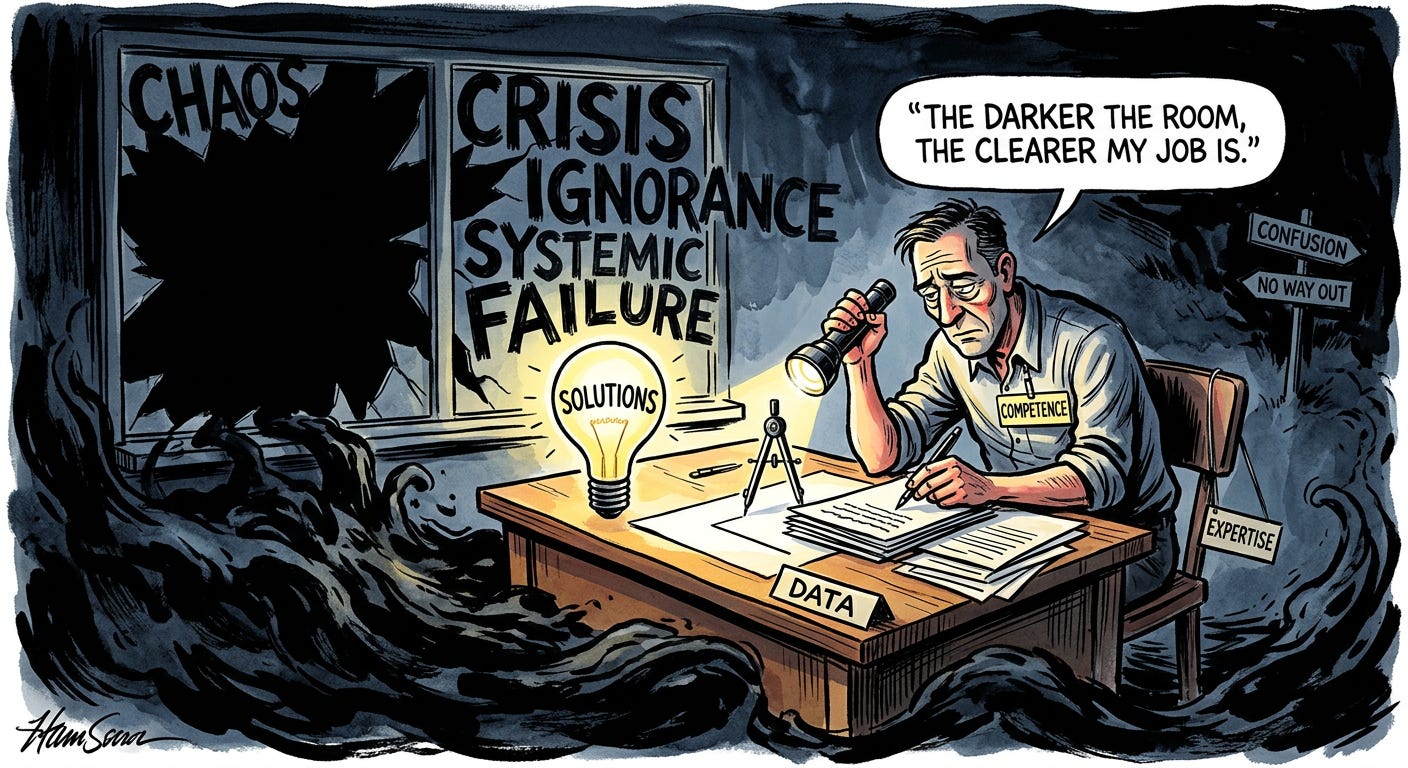
Both things are true at once. The system was protecting mediocrity. And the light-bearer almost always underestimates how destabilizing their presence is, and how much of the reaction is responding to a posture rather than to the work. A person who can hold both of these without collapsing one into the other is on the way to wisdom. A person who can only hold the first is on the way to martyrdom, which is a more comfortable story and a worse one.
Three ways through
So what does a person do? Not dim themselves, because self-suppression is its own betrayal, and a room committed to the dark is not owed your darkness. But there are moves that are neither martyrdom nor surrender.
Learn the gradient
Light that wants to be received learns pacing. Not less light but a rate the room can adjust to, competence made shared and legible rather than a spotlight that exposes everyone else’s gaps at once. The difference between being right and being effective.
Drop the indictment
You can illuminate without making the indictment of others your project. Unfortunately, some end up begrudgingly doing this. So remove the contempt - even the subtle, deniable kind - and you remove most of the fuel the clique runs on. Light reveals; it is not obligated to accuse.
Know the room
Some rooms are merely unlit. Others have built their identity around the dark and will not be reformed from inside or within the chain by shining harder. Discernment is telling them apart, and not martyring your gift or time to the second kind. Sometimes the way through is the door.
That last one deserves weight. There is a heroism we attach to staying - to being the one who keeps shining no matter the cost, who outlasts the clique by sheer endurance. Sometimes that is faithfulness. But sometimes it is only the ego refusing to admit that a room has chosen its darkness, and that staying is less about service than about being proven right. Leaving a room you cannot light is not failure. It is the recognition that your gift or time was meant to be used, not defended to exhaustion in a place that has voted against being lit.
The source beneath the light
There is a vital question underneath all of this, and it decides whether the attacks land or pass through. Where does the light come from? If competence is self-generated, if it is the thing you produce to be worth something, then every attack on the output is an attack on the source, because the source is you. No wonder it feels like dying. You are defending a candle you made with your own hands, and the clique is reaching for it.

But there is another way to hold it. Light that is received rather than manufactured — competence that draws from a source underneath the performance or a sense of being held that does not rise and fall with the room’s approval — can be opposed at the level of output without being threatened at the level of source. The difference is between a candle, which must be defended at all costs because it is yours and it is fragile, and a window, which simply keeps letting the light through and is not diminished when someone curses the brightness. The window does not need the permission of the room to face the sun.
Most people in this situation ask:
How do I make them stop? It is the wrong question, because it leaves the room in charge of your peace. The better question is: where is my light coming from, and is that source secure enough that the room’s reaction is information rather than injury? Get that right and you do not need the clique to disband. You only need to stop handing them the candle.
One could say that vindication, freedom, and character formation all intersect here. The vindication is true: the room is dim, the coalition is real, and you are not imagining the cost. The freedom comes when you stop needing the room to admit it. And the character formation, which is the part that is yours to do, that no clique can do for you — is learning to carry light that does not belong to you in the first place, so that you can keep shining without contempt, adjust the gradient without dimming the source, and walk out of the rooms that have chosen the dark without bitterness for having tried.
Competence will always have a cost in a system that has made peace with mediocrity. That cost is not a sign you are doing it wrong. But how you pay it — whether you pay it as a martyr clutching a candle, or as a window that has stopped keeping score — that is the whole character formation. And it is the only part the dim room never gets to decide.